
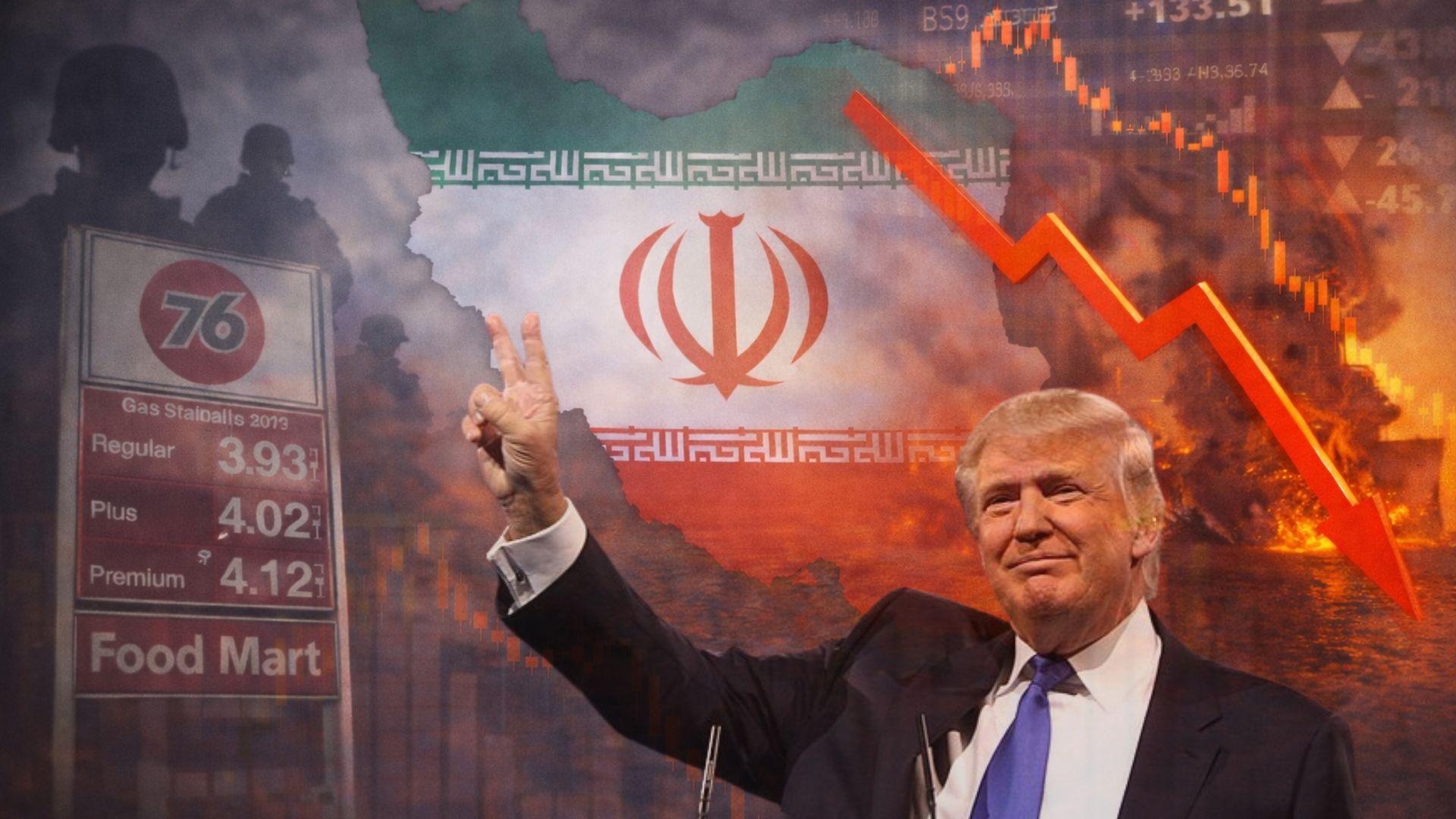
The Iran conflict has transformed overnight from a geopolitical event into a direct threat to your cash flow. Air freight rates are up 70% on key routes, shipping timelines have extended by weeks, and your working capital is now hostage to forces 6,000 miles away.
The Immediate Hit: Shipping Costs and Timeline Shock
The Strait of Hormuz—through which roughly 20% of global oil and critical commodities flow—is experiencing near-standstill traffic due to military activity and security risks. Airlines have closed routing corridors over the Middle East, forcing logistical hubs like Dubai, Abu Dhabi and Doha to redirect operations. For ecommerce merchants sourcing electronics, semiconductors, pharmaceuticals and other high-margin goods, the result is brutal: air freight rates have surged over 70% on impacted corridors, and war risk insurance premiums are climbing faster than anyone predicted.
Longer transit times mean your inventory spends additional weeks in containers and aircraft holds. That directly increases the working capital required to sustain operations—you’re financing inventory for extended periods while still meeting supplier payment deadlines. For large multinationals, this is inconvenient. For smaller merchants operating with thin margins, it’s existential.
The Working Capital Crisis No One Saw Coming
Here’s the compounding pressure: as shipments take longer to arrive, your cash gets trapped in transit. You can’t sell goods stuck in logistics networks. You can’t collect customer revenue on delayed deliveries. Meanwhile, your suppliers still expect payment on schedule. The gap between when you pay and when you receive inventory is widening—and that gap is bleeding working capital.
The challenge is particularly acute because traditional trade finance runs on paper. Bills of lading, inspection certificates and letters of credit still move through courier networks rather than digital systems. When you need to reroute a shipment due to conflict disruptions, coordinating changes across banks, insurers and logistics providers takes days in a paper-based system. You lose agility precisely when you need it most.
Digital Trade Infrastructure: From Nice-to-Have to Survival Tool
Companies that have invested in digital trade platforms are now operating in a different league entirely. When a shipment must be rerouted, they amend documentation electronically, update insurers and adjust financing terms in near real-time. They respond to disruptions within hours. Paper-based competitors? Days of coordination across multiple institutions.
The operational advantage translates directly to your bottom line: faster rerouting means goods arrive closer to schedule, customer satisfaction stays intact, and working capital cycles compress. Digital platforms also automate compliance checks and identity verification, reducing approval times for trade finance transactions when you need expedited funding most.

What This Means for Your Category
Electronics, semiconductors, pharmaceuticals and other high-value goods face compounded pressure. Extended delivery windows hit margin-sensitive categories hardest. Rising logistics costs compress already-thin profit margins on goods that were profitable at yesterday’s freight rates.
The merchants surviving this moment are those with visibility into real-time logistics data and the infrastructure to respond quickly. If you’re still coordinating shipments via email and spreadsheets, your competitors with digital trade systems are gaining ground.
Stay ahead of supply chain disruptions as this situation develops. Join our Newsletter Mailing list to get real-time updates on how the Iran conflict is reshaping ecommerce logistics, trade finance costs, and merchant operations—plus tactical strategies other founders are using to protect cash flow and delivery timelines.