
Alibaba’s latest AI move reshapes who controls product discovery, recommendations and checkout flows for hundreds of millions of Chinese consumers, far beyond a simple race for tech bragging rights. For merchants selling into China, this change shows which gatekeepers stand between their brand and the customer.
Alibaba’s Lunar New Year AI Push
In early February, Alibaba committed around 3 billion yuan (about $431 million) to promote its Qwen AI app during China’s Lunar New Year holiday, a period when travel, gifting and screen time all spike at once. The campaign starts ahead of the public holiday and runs through an unusually long nine‑day break, giving Alibaba an extended window to position Qwen as a daily companion.
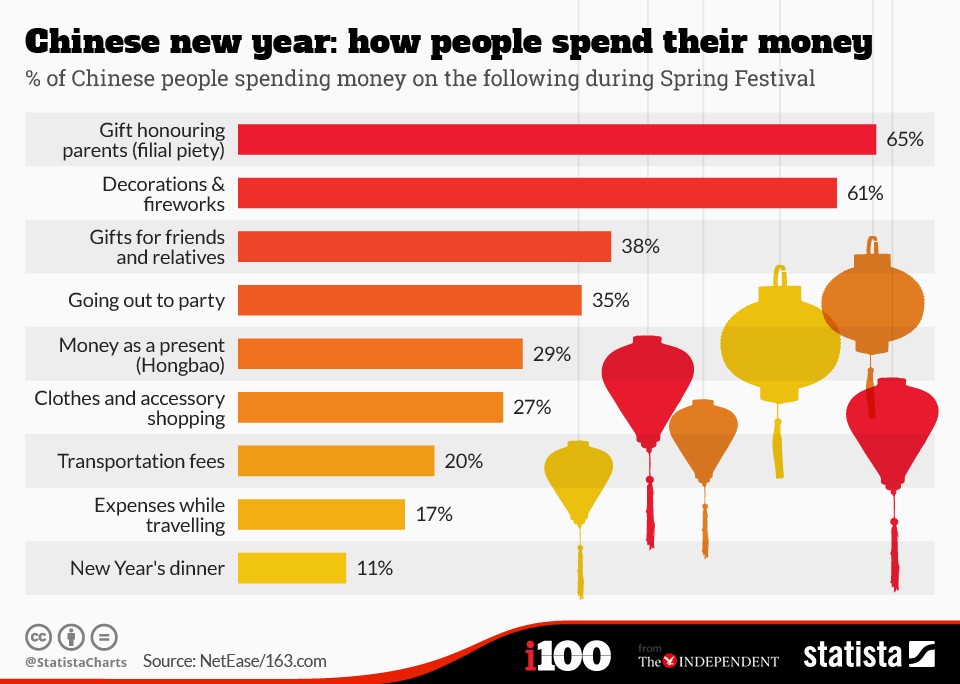
The company plans to distribute large red‑envelope‑style rewards tied to dining, drinks, entertainment and leisure, echoing the digital hongbao campaigns that reshaped China’s mobile payments market a decade ago. Back then, those promotions helped train users to pay with WeChat Pay and Alipay. This time, the cultural symbol is being attached to an AI assistant that can recommend, organize and increasingly complete purchases directly inside the chat experience.
Alongside the marketing spend, Alibaba is rolling out new capabilities for Qwen and preparing an upgraded flagship model focused on more complex reasoning. The holiday period becomes a combined product launch and behavior‑shaping exercise: the app becomes more capable at the same moment millions of people are nudged to try it in high‑spend, high‑emotion contexts like travel, gifting and family gatherings.
A New Battleground for Chinese Super‑Apps
Lunar New Year has long been a testing ground for China’s internet platforms. Previous waves centered on messaging, video and especially mobile wallets, with companies using heavy subsidies and clever mechanics to capture attention and install habits. Red envelopes played a central role: by turning a familiar ritual into a digital experience, platforms pulled users into new payment behaviors with minimal friction.
This year’s focus has shifted to AI assistants. Alibaba’s planned outlay is roughly triple the budgets announced by Tencent and Baidu for their own holiday pushes around Yuanbao and other AI products. Each company is connecting its campaigns to a broader ecosystem: rewards that land in WeChat wallets, coupons redeemable on Taobao, offers that encourage users to invite friends into these AI apps.
The urgency reflects how quickly AI usage can harden into routine. Early data out of China suggests many users stick with the first assistant they adopt for everyday queries. Once an app becomes the default place to ask for recommendations, plan trips or get shopping ideas, dislodging it is difficult. That is why tech giants are willing to spend heavily during a short window when consumer attention is unusually concentrated.
DeepSeek, New Models and Rising Expectations
Behind the scenes, model competition is intensifying. DeepSeek’s R1 model surprised the market with its performance and efficiency, prompting both domestic and international players to rethink their development timelines. Since then, Chinese firms have accelerated releases and upgrades, emphasizing coding, multimodal capabilities and improved reasoning.
DeepSeek is expected to roll out a V4 model around mid‑February, overlapping with Lunar New Year. ByteDance is preparing new models connected to Douyin and creative tools for images and video. The industry is effectively using the holiday as a live showcase: consumers see not just more AI apps, but better ones, arriving at the moment they have both time and motivation to experiment.
Alibaba’s marketing budget slots into this context. The company is using the scale of its ecosystem to keep Qwen front‑and‑center while rivals focus on proving that their underlying models are more capable. The holiday push becomes a way to defend and expand Alibaba’s role as an entry point into shopping, entertainment and payments at a time when user expectations are rising.

What This Means for Merchants and Global Brands
For merchants, particularly those selling into China via marketplaces, mini‑programs or cross‑border channels, these shifts change where and how demand appears.
If a user’s first step is to ask Qwen for restaurant ideas, gift suggestions or product comparisons, the assistant acts as a filter and curator. The brands and offers it can surface easily—because they are well structured, properly tagged or part of endorsed campaigns—gain an advantage. Those that are hard to parse or poorly integrated into Alibaba’s ecosystem risk fading into the background.
Chat‑based checkout changes the flow again. When Qwen can present an option, confirm availability and push the user straight into payment without leaving the conversation, any friction between interest and purchase drops. Merchants whose inventory, pricing and promotions sync cleanly with these conversational paths will see smoother conversion than those that require redirects, extra steps or unsupported methods.
Over time, loyalty patterns are likely to reflect attachment to assistants rather than individual apps. A consumer may think “I’ll ask Qwen” before thinking “I’ll open Taobao” or search for a brand directly. For non‑Chinese brands, especially those entering the market through cross‑border eCommerce, that raises the importance of working with partners who understand how to present products, bundles and campaigns in ways that Qwen and other assistants can understand and recommend.
Preparing for an AI‑Driven Lunar New Year and Beyond
The immediate effects of Alibaba’s investment will be counted in downloads and engagement metrics over the holiday period. The more important effects will show up in behavior that persists: how often people open AI assistants first, how frequently they complete purchases in chat and how quickly they come to trust recommendations from these systems.
Merchants can prepare by examining how discoverable their products are inside major Chinese ecosystems and how easily their offers could be translated into conversational formats. They can work with platform partners to understand how AI assistants select and prioritize content, and adjust data, catalogs and campaign structures so their products remain visible when an assistant, not a search bar, guides the journey.
Alibaba’s decision to devote hundreds of millions of dollars to Qwen at the height of China’s most important shopping season reveals how seriously it takes AI assistants as a new layer in commerce and payments. For merchants watching from abroad, this Lunar New Year offers an early look at how AI may sit between them and Chinese consumers in the years ahead.